
Ahimsa: The Practice of Radical Kindness Toward Ourselves and Others
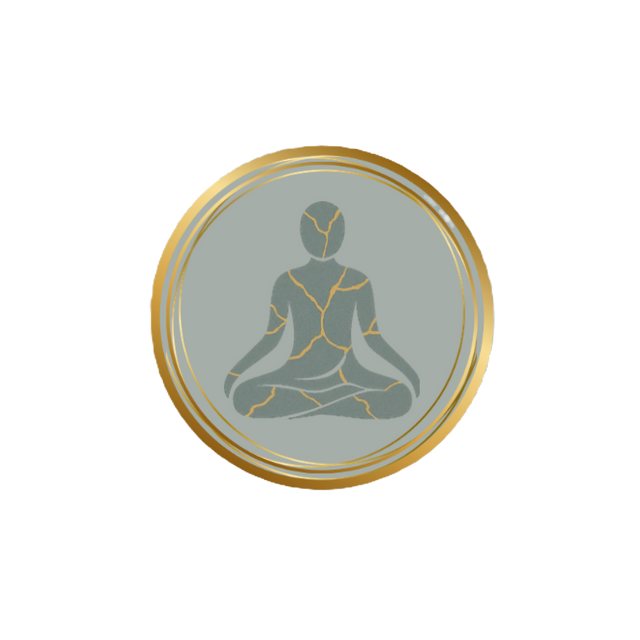
In the ancient wisdom of yoga, there is a Sanskrit word that invites us to reconsider the way we move through the world: Ahimsa. Often translated as “non-violence” or “non-harming,” ahimsa is one of the foundational principles of yoga philosophy. While it is commonly understood as a commitment to kindness toward others, its deepest practice begins much closer to home: the relationship we have with ourselves.

The Harm of Always Trying to Be More
We live in a culture that often celebrates striving. We are encouraged to optimize, achieve, improve, and constantly become a better version of ourselves. Growth is beautiful, and intentional change can be deeply healing. But when our desire to grow comes from the belief that we are somehow incomplete, it can create suffering.
Ahimsa reminds us that transformation does not have to come from judgment.
We do not have to criticize ourselves into becoming healthier. We do not have to shame ourselves into changing. We do not have to reject who we are today in order to become who we hope to be tomorrow.
There is a difference between growth and self-abandonment. Growth says, “I honor where I am while continuing to evolve.” Self-abandonment says, "I am not enough until I become something else.”
Ahimsa invites us to choose the first.
Practicing Non-Violence Within
Practicing ahimsa toward ourselves may look simple, but it requires awareness and intention.
It may mean allowing ourselves to rest without feeling guilty. It may mean speaking to ourselves with the same kindness we would offer a loved one. It may mean honoring our limitations instead of viewing them as weaknesses. It may mean releasing the endless pursuit of perfection and embracing our humanness.
Perfection often asks us to hide the parts of ourselves we consider flawed. Ahimsa asks us to meet those parts with curiosity and compassion.
The cracks, struggles, setbacks, and imperfections are not evidence that we are broken. They are part of our story. Like the Japanese philosophy of kintsugi, which honors broken pottery by repairing it with gold, ahimsa reminds us that our experiences can become part of our wholeness rather than something we need to erase.
When We Practice Ahimsa, Everyone Benefits
The kindness we extend toward ourselves naturally influences the way we interact with others.
When we are constantly judging ourselves, we often have less patience, compassion, and understanding to offer the world around us. But when we cultivate self-compassion, we create more space for empathy.
A person who can forgive themselves is often better able to forgive others. A person who can accept their own imperfections is often more accepting of the imperfections of those around them. A person who treats themselves with kindness is more likely to lead with kindness.
Ahimsa is not simply about avoiding harm. It is about actively creating an environment—within ourselves and around us—where healing and connection can flourish.
A Daily Ahimsa Practice
The next time you notice your inner critic becoming loud, pause and ask: “Would I speak to someone I love the way I am speaking to myself?”
If the answer is no, consider choosing a gentler response.
Take a breath.
Place a hand over your heart.
Acknowledge the effort you are making.
Honor the journey you are on.
You do not have to earn compassion. You do not have to achieve perfection before you deserve kindness.
Ahimsa teaches us that healing begins when we stop fighting against ourselves.
When we release the belief that we must always do more, be more, and accomplish more, we create space to simply be. And in that space, we discover something powerful:
We were never meant to become someone else. We were meant to come home to ourselves.


Comments